
By Susan Damico, M.A. | July 7, 2026
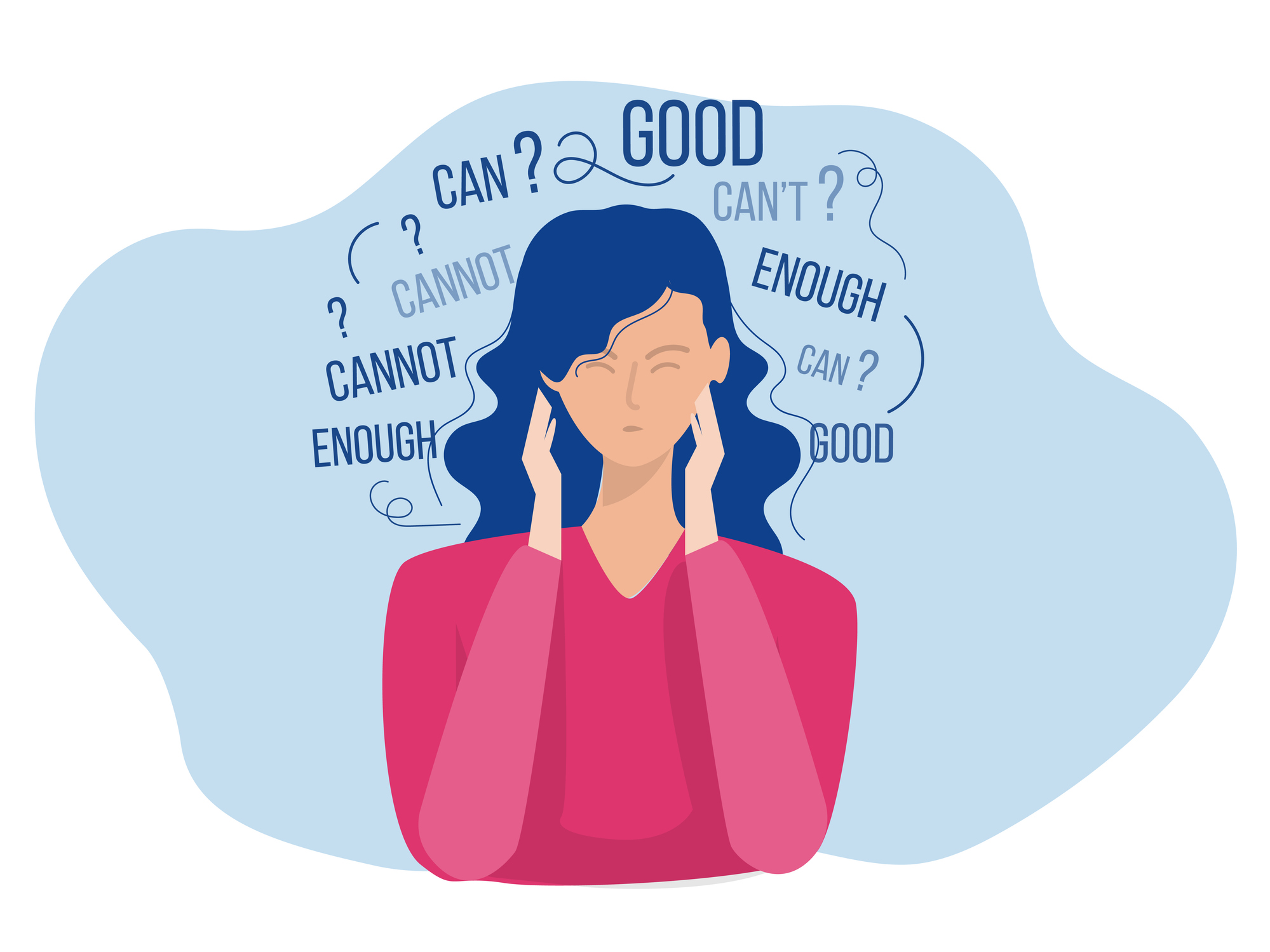
For many of us, when we hear the word “soundtrack,” we think about music. While I hope you have a summer playlist that captures the spirit of the sunny season, there is a different kind of soundtrack – the voice in our head that we listen to on repeat – that can significantly impact our happiness, concentration and overall quality of life.
Negative self-talk can lead to anxiety, depression and relationship challenges and might sound like this:
- “I can’t believe I just did that. What’s wrong with me?”
- “That text from my friend seemed off. I must have done something to upset him.”
- “My boss didn’t provide me with any feedback on the project I submitted yesterday. I bet she was disappointed.”
If this sounds like your inner soundtrack, it is because our brains naturally assume the worst in uncertain situations. As humans, we tend to:
- Remember traumatic experiences more clearly than positive ones
- Recall insults more accurately than praise
- Think about negative situations more frequently than positive ones
- Respond to negative events more strongly than to positive ones
Cultivating your positive inner voice
By being aware of the negative thoughts in our heads, we can better manage them. Look below for a few strategies to turn down the volume on negative self-talk.
- Stay alert: Pay close attention to the thoughts running through your head. When we become more aware of our negative thoughts, we can take intentional steps to stop them. Say the word “stop” out loud to put an immediate end to negative self-talk.
- Practice positive self-talk: Turn negative statements into positive ones. Talk to yourself as if you were speaking to a good friend. Instead of saying, “I’m an idiot.” Say, “I made a mistake.” Rather than, “I will never do a good job.” Try, “I will do my best.” As an alternative to, “I never do anything right.” Declare, “I am still figuring things out.”
- Savor the moment: When something good happens, slow down and take it in. Remember, our brains are hardwired to prioritize remembering unpleasant events more than enjoyable ones. For happy moments to stick, we need to truly focus and give them extra time to sink in. Once you feel content with the amount of attention you have given to the moment, share it with someone to spread the joy.
‘Know better, do better’
Poet and civil rights activist Maya Angelou said, “Do the best you can until you know better. Then, when you know better, do better.”
Now that we know our brains have a negative bias, we can take action to shift our inner soundtrack and turn up the volume on positive self-talk. Visit Greater Good Science Center and verywell mind for additional strategies and support.